The Benefits of Plant Proteins: Why You Should Switch To a Plant Based Diet
The popularity of plant proteins and plant based diets has been on the increase. You might have noticed that unlike in the past, more and more people are open to the idea of a vegan, vegetarian, keto, pegan, and even gluten-free diet.
While there is absolutely nothing wrong with an animal protein diet, it is correct to say that more and more people are seeking out sustainable new protein options to add to or complement their diets.
It is for this very reason that the discussion surrounding plant proteins has become bolder by the day. Before we can comprehensively shed light on the benefits of plant proteins, perhaps it’s essential that we first understand what a plant protein is.

What Is A Plant Protein?
Let us first look into the biological makeup of protein. Basically, all proteins and this entails proteins that are sourced from plants (plant based proteins) are made up of building blocks that we commonly refer to as amino acids. A total of 20 amino acids make up protein.
However, the human body is only capable of naturally creating or synthesizing 11 amino acids which basically means that we have to consume the remaining 9 amino acids from our diets. As such, any digestible protein that contains all the 9 essential amino acids is referred to as a complete protein.
In view of this, It is important to note that protein is essential in any healthy and well-balanced diet. A diet rich in protein is crucial in the sense that it helps in the formation of tissues that not only builds muscles but also tendons and skin.
Protein also plays an important role in speeding up normal physiological processes such as metabolism. With that in mind, what is a plant protein?

A plant protein, in simple terms, refers to a dietary protein that is primarily sourced from plants. Examples of plant proteins include peas, quinoa, lentils, nuts, beans, and seeds to mention a few. However, it’s important to note that not all plant based sources of protein contain all the 9 essential amino acids.
This explains why eating a variety of plant based sources of protein daily is recommended as it increases your chances of eating a complete protein (a diet that contains all the 9 essential amino acids.)
Several plant-based proteins such as soy and quinoa act as complete proteins.
Are There Any Differences Between Animal Protein And Plant Protein?
Yes. As the names suggest, animal protein refers to a protein that is completely sourced from animal-based products such as poultry, meat, and fish while plant protein refers to protein sourced from plants such as soy, quinoa, nuts, seeds, pea, and beans, to mention a few.
With that said, here are the key differences between animal protein and plant protein.
- Animal-based proteins contain all the 9 essential amino acids but the same can’t be said of plant based protein sources. In most instances, one is required to combine or consume a variety of plant based sources of protein to get all the 9 essential amino acids.
- Plant based proteins such as pea and soy are more sustainable and better for the environment compared to animal based proteins which have a higher carbon footprint. As such, if you are all about sustainable living, vegan, and conserving the environment whilst reducing your carbon footprint, you can never go wrong with the best organic plant based proteins.
- Plant based proteins have greater health benefits compared to animal based protein sources that have largely been linked to various health problems such as cardiovascular diseases.
Why Should You Switch to A Plant Based Protein Diet?
If you are sitting on the fence, you probably are wondering why you should totally switch to a plant based protein diet. I mean, you love your steak and can’t imagine life without protein from poultry, fish, and even eggs. Worry not.
Here are some of the benefits of plant proteins that should make your transition from animal proteins easy!
1. A good number of plant proteins are complete proteins
As explained earlier on, complete proteins refer to plant based protein sources that contain all 9 essential amino acids. Remember that animal proteins contain all the 9 essential amino acids but only a select plant based protein sources do. It is imperative to note that certain plant proteins such as soy and quinoa do act as complete proteins.
However, if for some reason you are not a great fan of either of the two, you can always vary your plant based diet in order to get all the essential amino acids that your body needs.
2. Plant proteins are rich in fiber
The beauty about plant based proteins is that as much as they contain high levels of protein, they are also high in fiber which is instrumental in digestive health. What this means is that when you consume optimal levels of fiber in your diet, it helps in reducing digestive-related issues such as IBS or blood sugar-related problems such as diabetes.
Fiber lowers cholesterol, lowers the risk of heart disease, slows down the absorption of sugar, and is instrumental in proper weight management.
3. Versatility
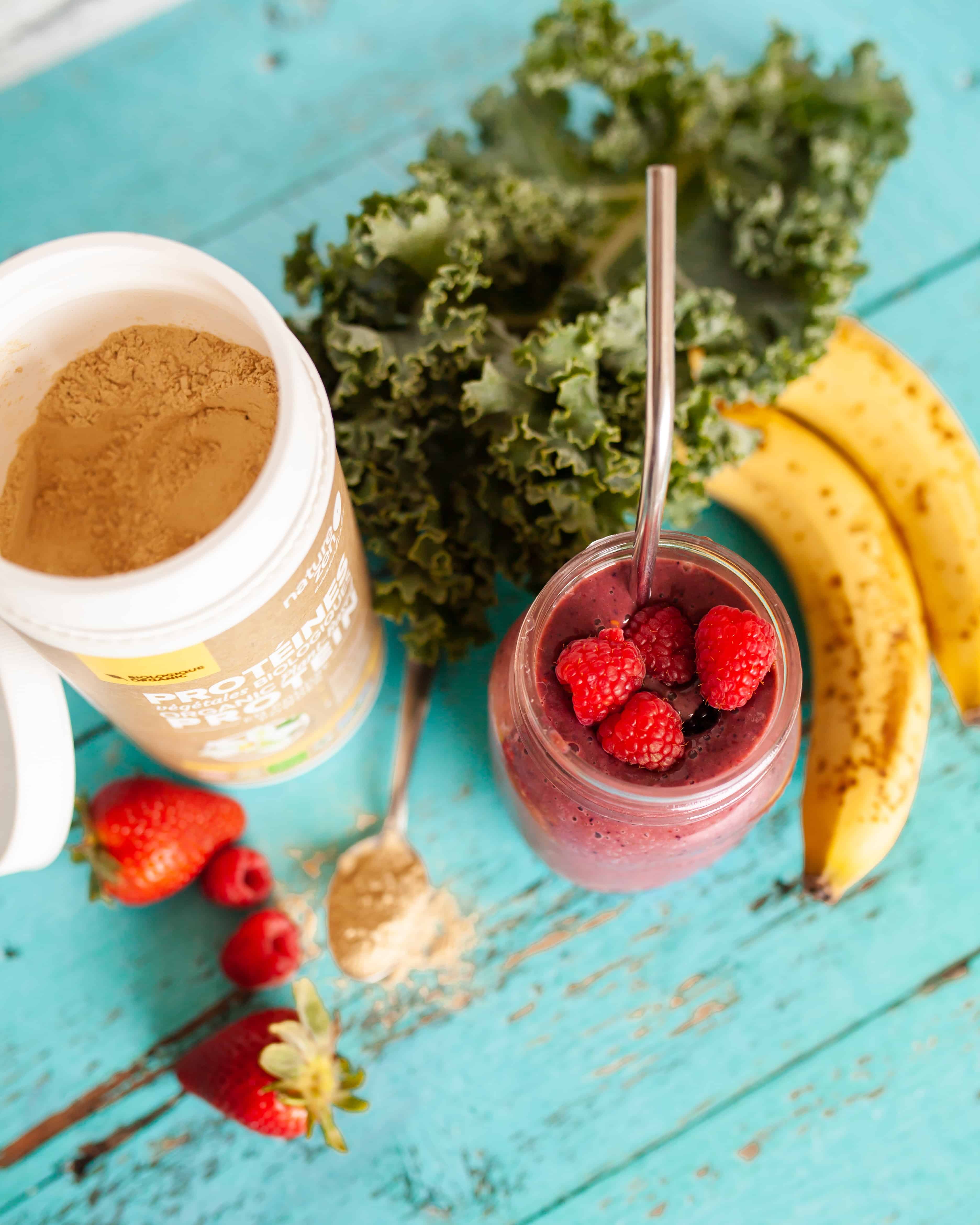
Plant proteins are versatile in the sense that they come in many different forms. You can choose from a wide variety based on your tastes and preferences. You can also settle on any plant-based protein powder form to add to your shakes, smoothies, vanilla yogurt, or recipes just to increase your protein intake.
The beautiful thing about protein shake or shakes is that you can drink them on the go, and they are also of different flavors be it vanilla or chocolate.
You have options and you can always go for those that are organic and free from added sugar.
4. Plant proteins are sustainable and environmentally friendly
In a world where green living/sustainable living is increasingly being encouraged, plant proteins are beneficial to the environment in the sense that they have a lower carbon footprint.
What this means is that they use less water, and less land, and produce fewer greenhouse gas emissions during their production compared to animal proteins. Plant proteins are organic, high in nutrients, and free from harmful chemicals that might affect your health.
5. Vegan protein sources contain low fat and cholesterol
In general, plant protein sources do not contain as much saturated fats and cholesterol as is the case with animal protein sources such as poultry, meat, pork, and beef to mention a few. The resultant effect is that it serves to lower your cholesterol levels as well as your blood pressure.
Plant proteins are the best for your health as they are not only vegan-friendly but also environmentally friendly. They are also the best if you are trying to manage your weight.
Plant Protein Sources
Now that we’ve shed light on the benefits of plant protein, perhaps you are wondering from which plants you can get the much-needed proteins to improve your health and nutrition. Here are a few of the most common or popular vegan protein sources to improve your health.
- Quinoa
- Green beans
- Lentils
- Soy milk
- Oats
- Tofu
- Seitan
- Tempeh
- Nutritional yeast
- Peas
In conclusion, we must reiterate the fact that plant proteins are important for everybody – children, athletes, pregnant women, the old, and seniors to mention a few.
The benefits of complete plant protein sources that we’ve highlighted in this article are clear to everyone keen on a healthy and well-balanced diet.
Whether you want to build lean muscles, manage your weight, or simply boost your nutrition, you can never go wrong with a plant protein powder. If you’ve been looking to go vegan, you can rest assured that you will get your required proteins from a high protein plant based diet rather than the conventional meat and milk.
At Organic village, we sell all kinds of organic plant based protein powders that you can add to your cooking routine, smoothies, shakes, or any other recipes. Our goal is to ensure that you get all the essential amino acids and build your muscle using sustainable sources of protein.
We can all agree that irrespective of whether we are team animal protein or plant protein, the end goal is improved health. It doesn’t matter whether you want pea protein powder, soy protein powder, whey protein powder, or any other plant based protein powder.
You can visit our eshop and select from a wide range of plant based protein powders today. We hold our customers in high regard and continue to sell organic supplements of different flavors that are free from added sugar and additives and designed to improve your health and nutrition.